
Your Marketing Sucks Because You Allow It To
There are over 15,000 marketing tools today.
More tools aren't innovation.
AI won't fix bad marketing.
More software doesn't fix bad marketing.
Marketing doesn’t decay because it’s hard.
It decays when the owner steps away.
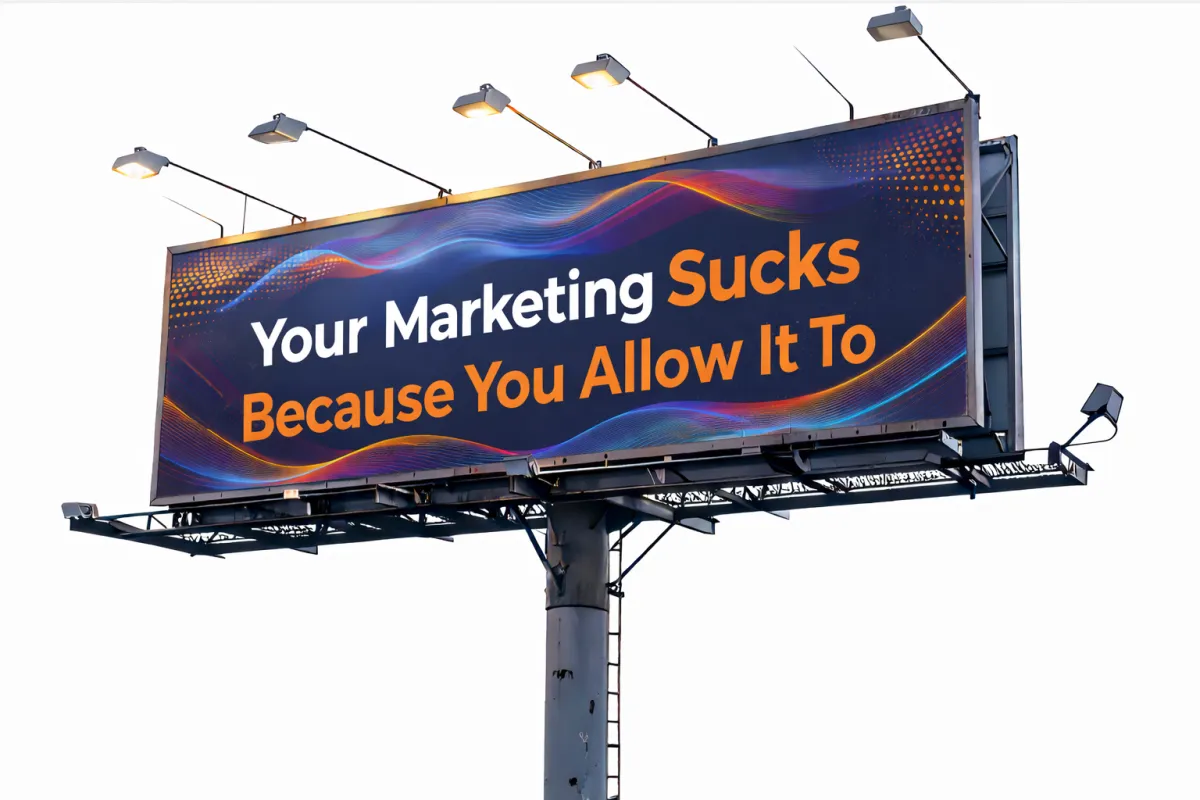
98% of you will look for another shortcut
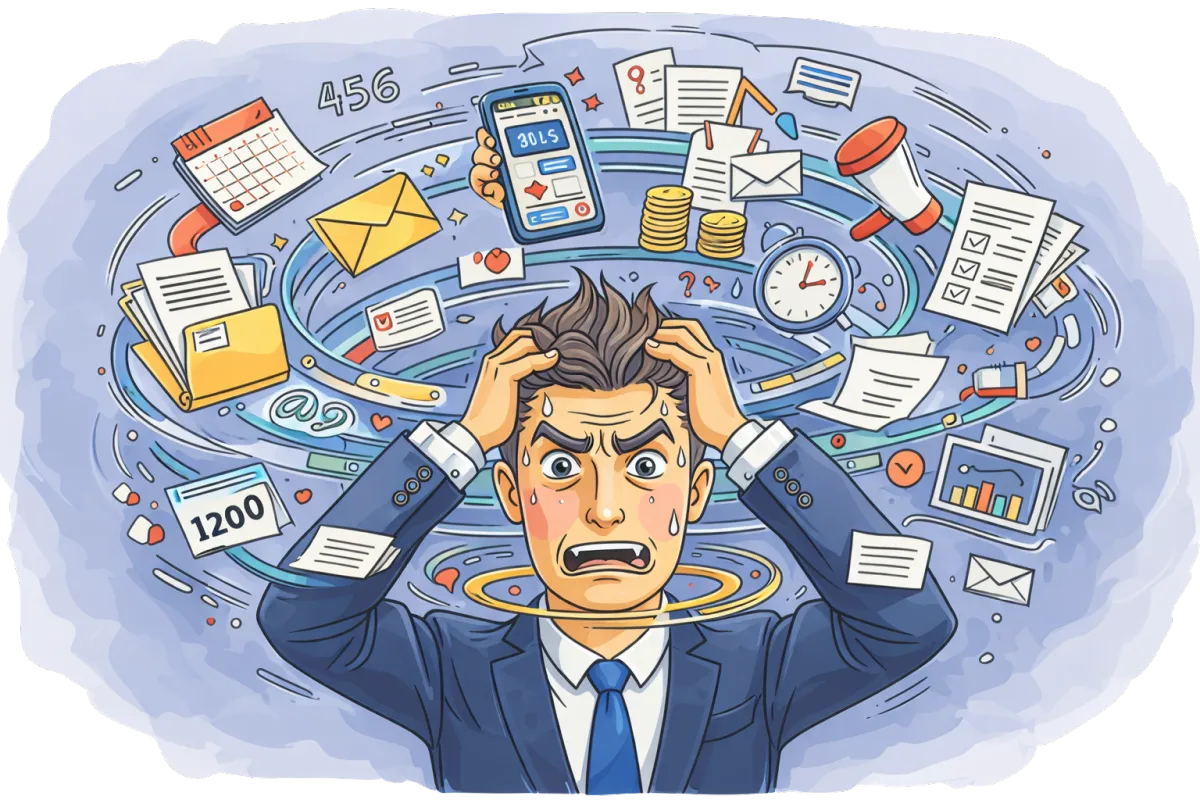
The Real Problem
Marketing didn’t become confusing because marketing is hard.
Marketing became confusing because business owners handed off too many decisions.
Instead of inspecting revenue outcomes, business owners kept buying replacements for ownership—software, vendors, platforms, and “strategies.”
Each purchase felt like progress.
Each purchase reduced accountability.
Every tool promised leverage.
Every hire promised relief.
Every new idea promised momentum.
What those purchases actually provided was cover—cover from the questions that decide whether marketing lives or dies:
Where is revenue actually coming from?
Which channel is producing profit—not activity?
Who owns the result—one person with authority?
Artificial intelligence didn’t fix the accountability gap.
Artificial intelligence made content production easier, made marketing noise louder, and made avoidance faster.
More output.
Same ownership problem.
Your marketing has failed because you stopped showing up.
The Real Solution
Ownership by itself doesn’t fix performance.
Ownership with a working system does.
Not more tactics.
Not more tools.
Not features added just to feel busy.
A real system has only what matters.
Clear accountability.
Clear measurements.
Clear decisions.
When the system works, everyone knows:
what they own
how success is measured
when performance is slipping
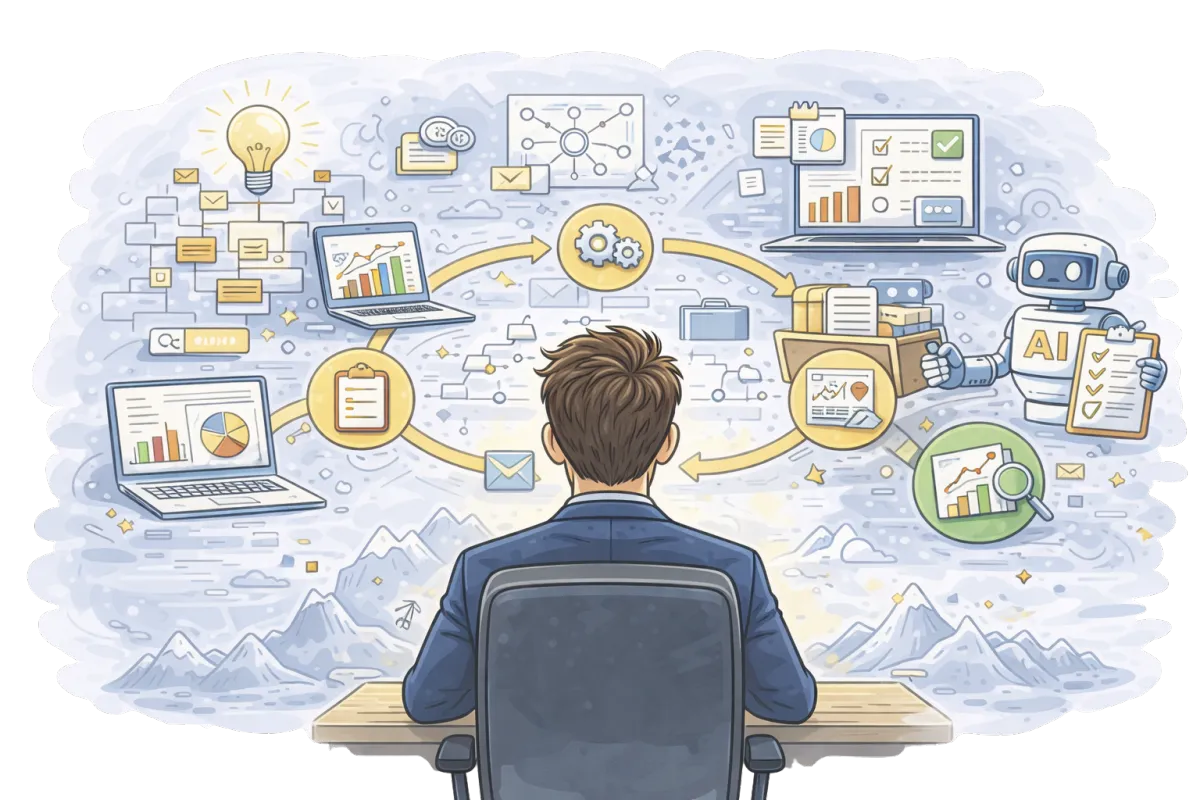
A system only performs when adoption is mandatory.
The team operates inside the system.
Customers respond to the system.
Leadership decisions reinforce the system.
A slide deck does not produce revenue.
Unused software does not produce revenue.
Markets change.
Customer behavior changes.
Performance drifts.
A system must evolve through inspection, correction, and reinforcement.
The owner’s role is not execution.
The owner’s role is governance.
Outcome inspection.
Decision enforcement.
Standard maintenance.
Owner responsibility: direction, accountability, authority
SDB responsibility: system design, performance enforcement, waste removal
Why SDB
SDB exists for one reason: performance.
SDB has operated for 20 years using a single standard:
clients make more money, or work stops.
SDB has helped organizations double and triple revenue year over year.
SDB has managed large-scale operations, teams, and budgets where outcomes matter.
The current market punishes hands-off ownership.
Performance only follows ownership that stays present and enforces a system.
What Happens Next
The next step is a 30-minute interview.
The interview determines:
system viability
ownership readiness
performance upside
Some businesses qualify. Some businesses do not.
Clarity comes fast.

Shane Duke Boring - SDB Founder and President